Aerial ladders top out around 100 feet — roughly the 9th story. Above that, the only way down through a blocked stairwell is the way you build for in advance.
A typical residential fire reaches flashover — the point at which a room becomes unsurvivable — in about four minutes. The average urban high-rise sees a firefighter on scene in 20 to 30. Even after arrival, crews must stage, ascend by stair, and isolate the floor. Self-rescue closes the gap.
SkySaver was built around this gap. The descent device is mechanical, sealed, and pre-rigged — there is no setup time, no power, no app, no specialist required. Three steps put you on the ground.
The descent device is a centrifugal friction governor. As the cable unwinds under your weight, mass-loaded brake shoes engage the housing wall — the faster the spin, the harder they bite. The system finds equilibrium at 3 to 5 feet per second across the entire rated weight range, and holds it whether you weigh 70 lbs or 290.
Galvanized steel core, fire-retardant fabric jacket. Tested to 10× rated load.
Mass-loaded shoes engage the housing under rotation. Speed-sensitive.
Heat-treated alloy. Rated through extreme operating temperatures.
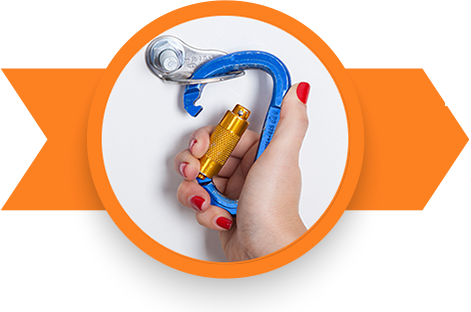
Single-motion carabiner. Audible click when locked.
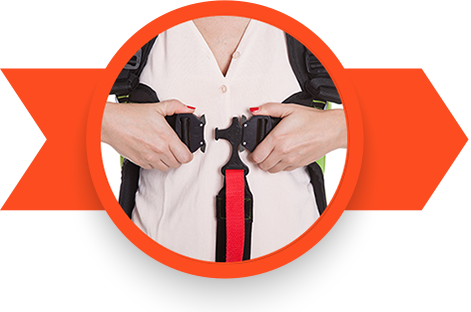
Step into the harness, two waist straps, two leg straps, two shoulder straps. Six pressure points distribute load.

Snap the cable carabiner into the wall-mounted anchor. Listen for the lock.

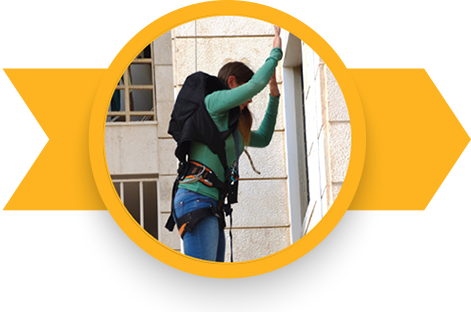
Through the window or over the balcony. The brake catches; the cable feeds; you descend at the speed of a brisk walk.

Yes — the friction housing is heat-treated and the cable jacket is fire-retardant. The descent device sits inside the apartment until use, so it doesn't experience prolonged exposure before deployment. The intended use is to evacuate before the fire reaches you, through a window on a façade away from the flame source.
The descent path is governed by the cable, which keeps you against the building's façade. Tests have validated descent in winds up to 40 mph. For sustained high-wind regions, our advisors will recommend an anchor placement that minimizes pendulum exposure.
The device is rated for repeated deployment. After each use it must be returned to the SkySaver test facility for inspection and rewinding. Recertification is included for the first three years.
For owned units, no. For renters, most leases require landlord notification before drilling structural mounts. We provide a one-page installation summary and a Lloyd's certificate that satisfies most building managers.
Free 15-minute call with a SkySaver advisor. We size to your building, walk through anchor placement, and answer the questions your insurer is going to ask.
Book a call